Real robot jobs, classroom questions and fresh examples

Robot Work

Robots already work in factories, hospitals, warehouses, hotels, museums, oceans and space. Some are humanoid, some are mobile helpers, and some are still experimental.

The interesting question is not simply 'Can a robot do a job?' It is 'Which parts of the job are dull, dangerous, distant or difficult, and what should people still do?'

9

recent examples

6

classic stories

4

big job clues

Robot job clues

Why give a job to a robot?

A good robot job usually has at least one of these qualities. The best classroom debates start when a job belongs in more than one box.

Dull

Repeated lifting, carrying, sorting or checking.

Moving empty totes or loading parts.

Dangerous

Radiation, deep water, space, heat, heavy loads or disaster zones.

Ocean exploration or Mars preparation.

Distant

Places where a human expert cannot easily be present.

Remote operation, space stations and offshore work.

Delicate

Jobs that need careful touch, timing and judgement.

Handling archaeology objects or quality checks.

Updated examples

Robots working, piloting and preparing now

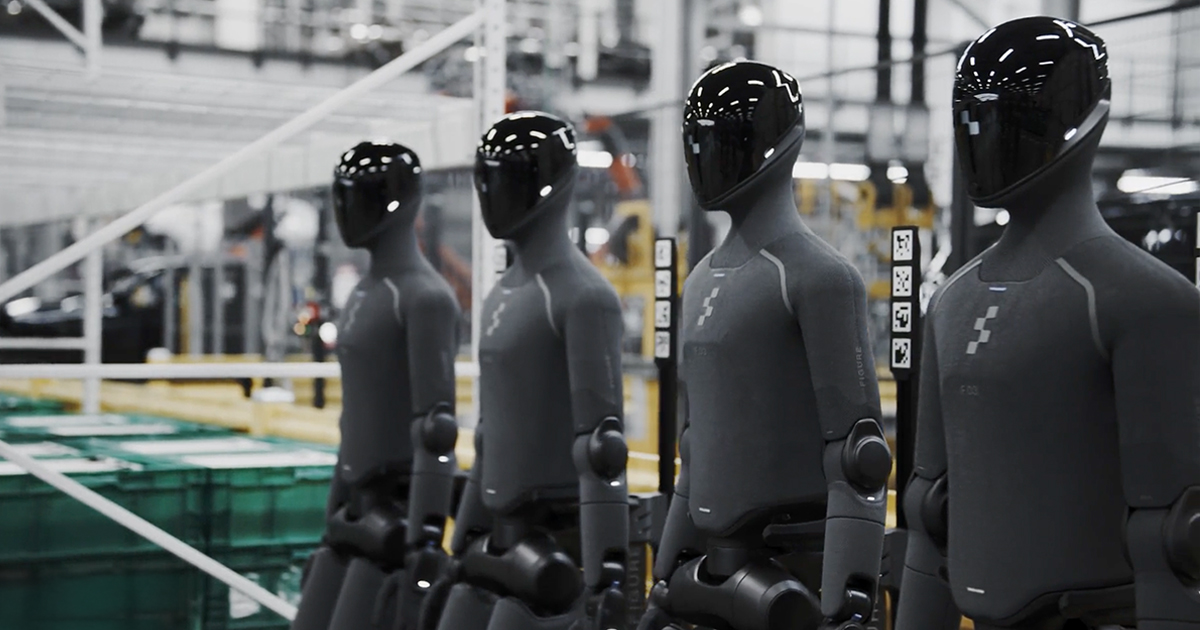
Figure humanoid robots working in a BMW factory setting.
PilotFactory logistics and part sequencing

Figure 03 at BMW Spartanburg

Figure 03 - Figure AI and BMW Group - 2026

Figure returned to BMW Group Plant Spartanburg with Figure 03 after a 2025 Figure 02 deployment. The new work focuses on logistics tasks such as moving and sequencing parts in a real manufacturing environment.

Why it matters

It shows how humanoids are moving from short demos toward repetitive industrial jobs in spaces built for people.

Try asking

  • What sensors would the robot need to avoid people and carts?
  • Which parts of the job need hands, and which parts only need wheels?
Visit Figure AI
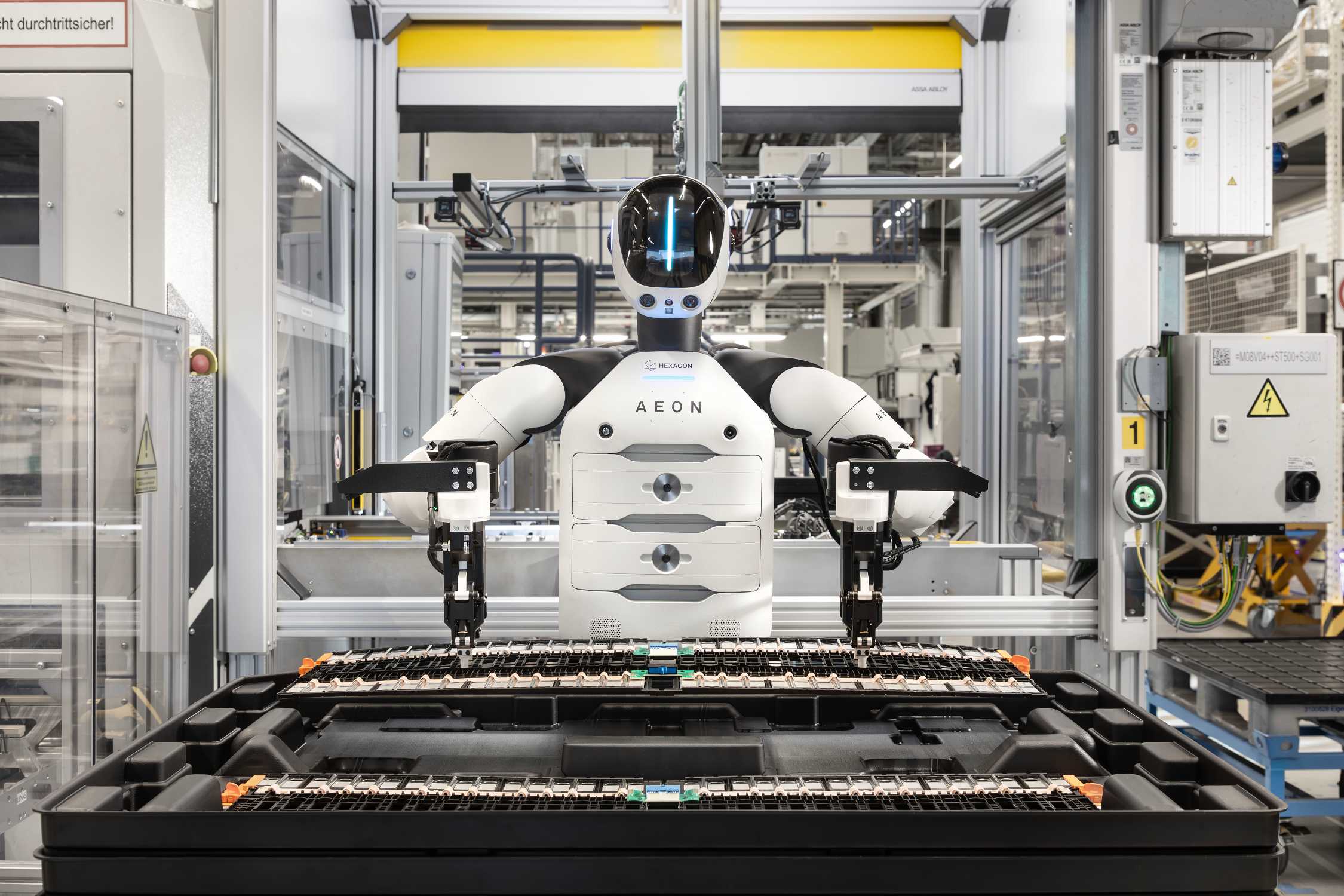
A humanoid robot being tested inside a BMW production facility.
Working nowSheet-metal loading

Figure 02 helped build BMW X3 cars

Figure 02 - Figure AI and BMW Group - 2025

BMW reported that Figure 02 supported production of more than 30,000 BMW X3 vehicles during a real factory pilot, handling precise placement of sheet-metal parts.

Why it matters

This is a strong classroom example because BMW published concrete results: parts moved, hours worked and vehicles supported.

Try asking

  • Why might a car factory test a humanoid instead of rebuilding the whole workstation?
  • What would you measure to decide whether the robot is useful?
Visit BMW Group
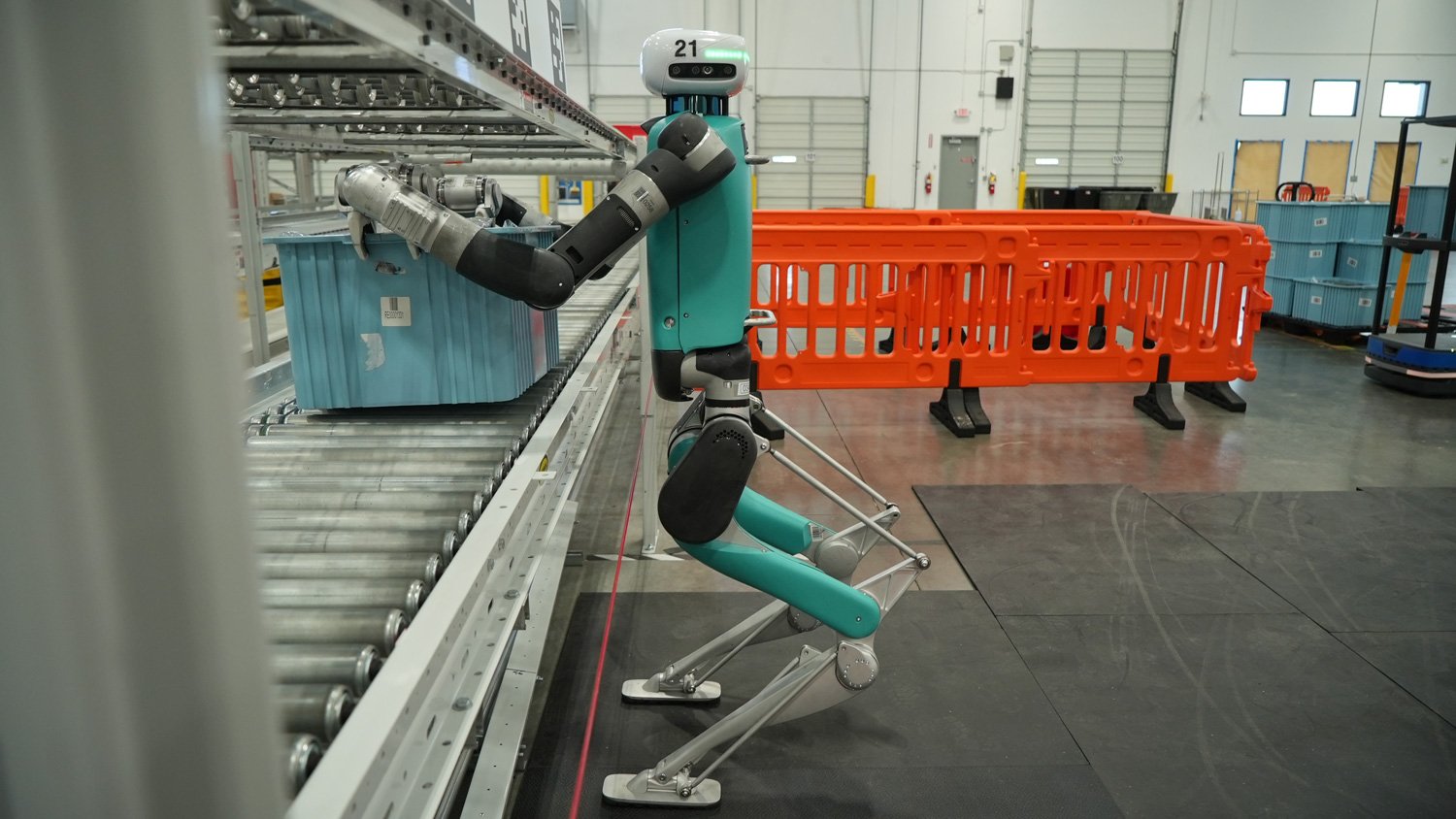
Digit carrying a warehouse tote during the GXO deployment.
Working nowMoving totes in a live warehouse

Digit in GXO warehouses

Digit - Agility Robotics and GXO - 2024

GXO and Agility Robotics announced a multi-year Robots-as-a-Service agreement to deploy Digit in logistics operations after a proof-of-concept pilot.

Why it matters

Warehouse work has lots of repeated lifting and carrying, so it is a useful test of whether a robot can help without changing every aisle and station.

Try asking

  • What makes a warehouse designed for humans hard for a robot?
  • How could a robot and a conveyor belt work together?
Visit Agility Robotics
Digit pictured for the Toyota Motor Manufacturing Canada agreement.
Working nowManufacturing, supply chain and logistics support

Digit at Toyota Motor Manufacturing Canada

Digit - Agility Robotics and Toyota Motor Manufacturing Canada - 2026

After a pilot, Toyota Motor Manufacturing Canada signed a commercial agreement with Agility Robotics to deploy Digit in its facilities.

Why it matters

It is a recent example of a car maker testing humanoids for team-member support, not replacing every worker on a line.

Try asking

  • Which repetitive tasks would be safest to automate first?
  • What training would people need before sharing a workspace with Digit?
Visit Agility Robotics
PilotIntralogistics and first quality checks

Apollo at Mercedes-Benz

Apollo - Apptronik and Mercedes-Benz - 2025

Mercedes-Benz is testing Apptronik's Apollo humanoid for production support, including transporting components or modules to production lines and early component checks.

Why it matters

The robot is learning from people through teleoperation before more autonomous work, which makes it a useful AI and training-data example.

Try asking

  • Why might a person guide the robot first instead of coding every movement?
  • How would you know when Apollo is ready to work more independently?
Visit Apptronik
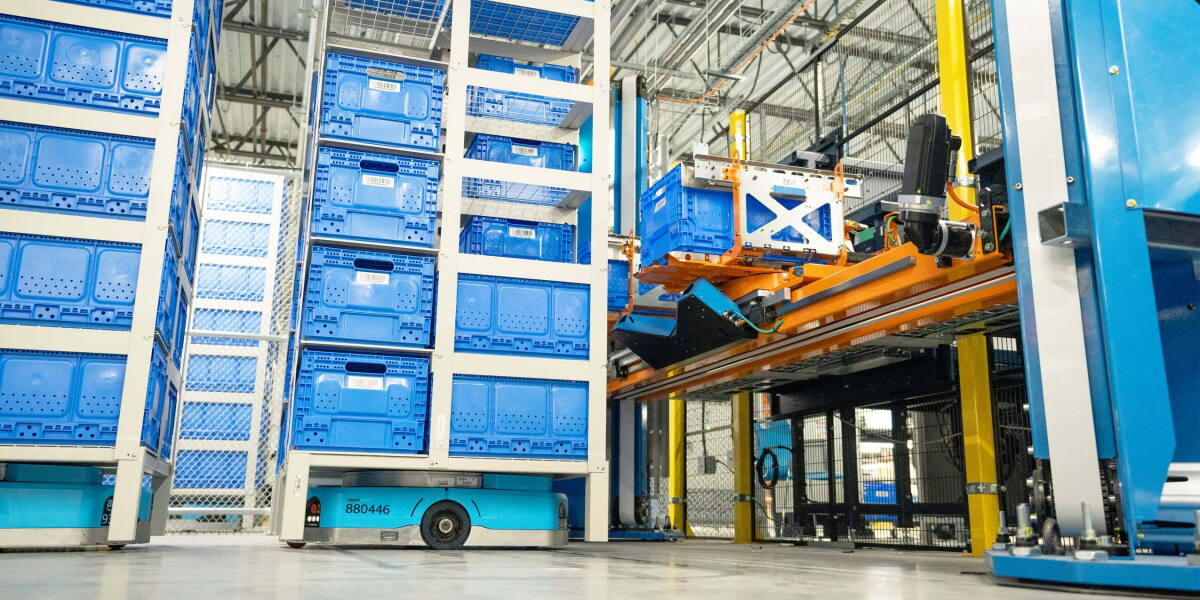
Amazon robotics equipment inside a fulfilment centre.
PilotPicking up and moving empty totes

Amazon tests Digit for tote recycling

Digit - Amazon and Agility Robotics - 2023

Amazon described testing Digit for tote recycling, a repetitive warehouse task that involves collecting empty containers after inventory has been picked.

Why it matters

It connects humanoid robots to a specific job rather than a vague idea of 'doing everything'.

Try asking

  • Why is an empty tote still a tricky object for a robot?
  • What would be easier: finding the tote, picking it up, or deciding where it goes?
Visit Amazon
Working nowDelivering supplies, lab samples and medicines

Moxi helps hospital teams

Moxi - Diligent Robotics and Rochester Regional Health - 2023

Moxi is a friendly service robot used for non-patient-facing hospital errands such as supply delivery, lab samples and pharmacy pickups.

Why it matters

It is not a full humanoid, but it shows an important idea: robots can give people time back by doing the walking-around jobs.

Try asking

  • Why should Moxi avoid patient rooms?
  • What jobs in a school are similar to hospital errands?
Visit Rochester Regional Health
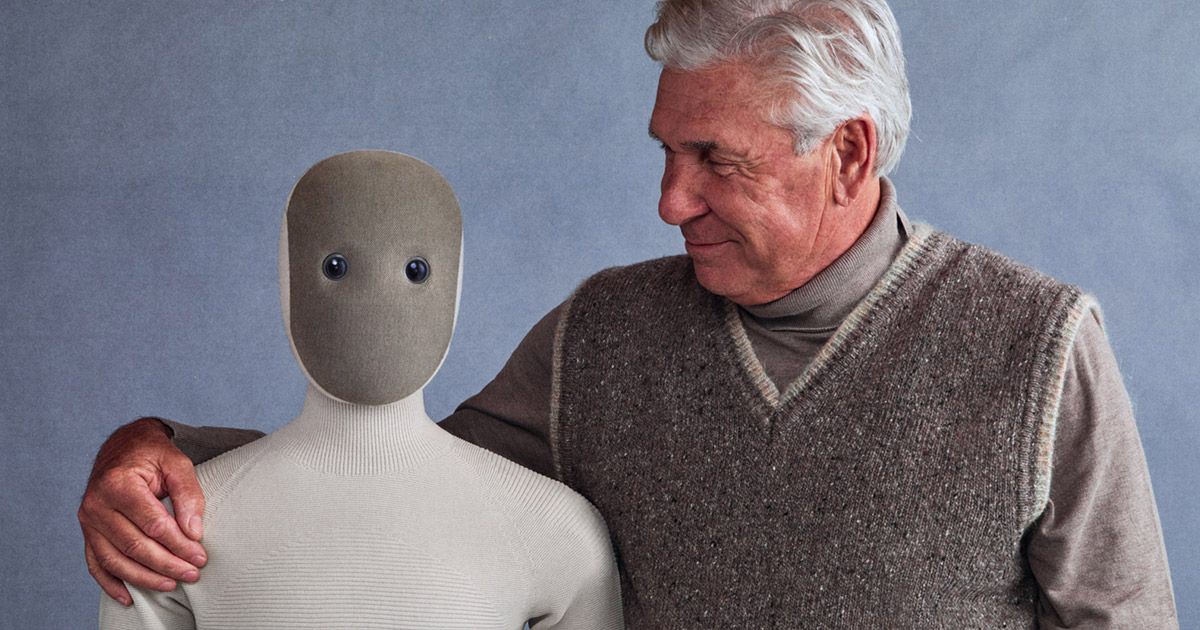
The NEO home robot from 1X Technologies.
In developmentHome assistance and everyday chores

NEO home robot

NEO - 1X Technologies - 2025

1X announced NEO as a consumer home humanoid designed for chores and personal assistance, with a soft body and dexterous hands.

Why it matters

Homes are messy, changing environments. That makes home robots a huge challenge for AI, safety and design.

Try asking

  • Why is a house harder for a robot than a factory?
  • Which household jobs should a robot never do without asking first?
Visit 1X Technologies
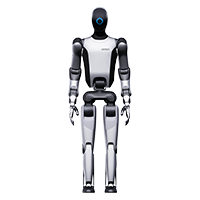
UBTECH Walker S industrial humanoid robot.
In developmentAssembly-line support and inspection

Walker S industrial humanoid

Walker S - UBTECH - 2025

UBTECH presents Walker S as an industrial humanoid for manufacturing scenarios, with navigation, perception, teleoperation and hand-eye coordination.

Why it matters

It is a useful comparison with wheeled robots: humanoid legs and arms can fit human-shaped workspaces, but they add complexity.

Try asking

  • When would wheels be better than legs?
  • What could go wrong if perception sensors misunderstand a busy factory?
Visit UBTECH

Classroom missions

Turn the page into an investigation

These activities work well after pupils have explored a few examples and spotted the differences between a demo, a pilot and a real job.

Mission 1

Choose one robot and draw its workplace. Label the sensors, hands, wheels or legs it needs.

Mission 2

Sort the examples into dull, dangerous, distant and delicate jobs. Some robots belong in more than one group.

Mission 3

Invent a robot job for your school. Write three rules that keep people safe and three jobs people should still do.

Mission 4

Pick one example and argue for a better robot shape: humanoid, wheeled, arm-only, drone or submarine.

Still useful

Classic robot stories with working links

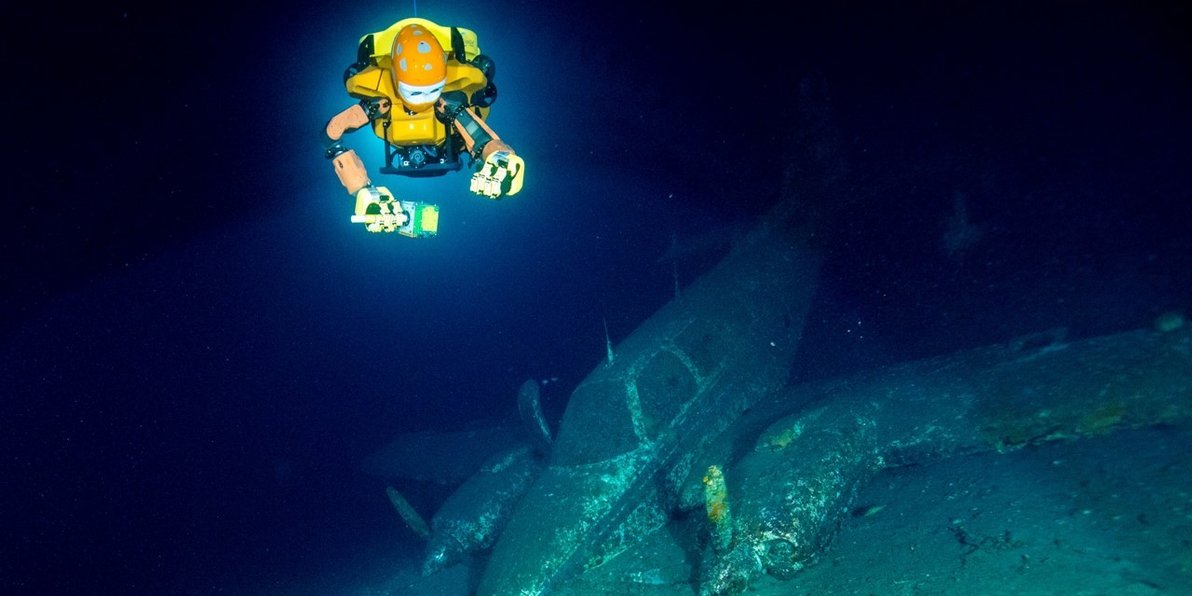
OceanOneK humanoid diving robot underwater.
ClassicDeep-sea exploration

OceanOneK explores the deep sea

OceanOneK - Stanford University - 2022

OceanOneK is a humanoid robotic diver with haptic feedback, designed so a human pilot can see, feel and manipulate objects deep underwater.

Why it matters

Some robot jobs are about going where people cannot safely go, while still keeping human judgement in the loop.

Try asking

  • Why is touch important underwater?
  • What would a robot need to protect fragile artefacts?
Visit Stanford Engineering
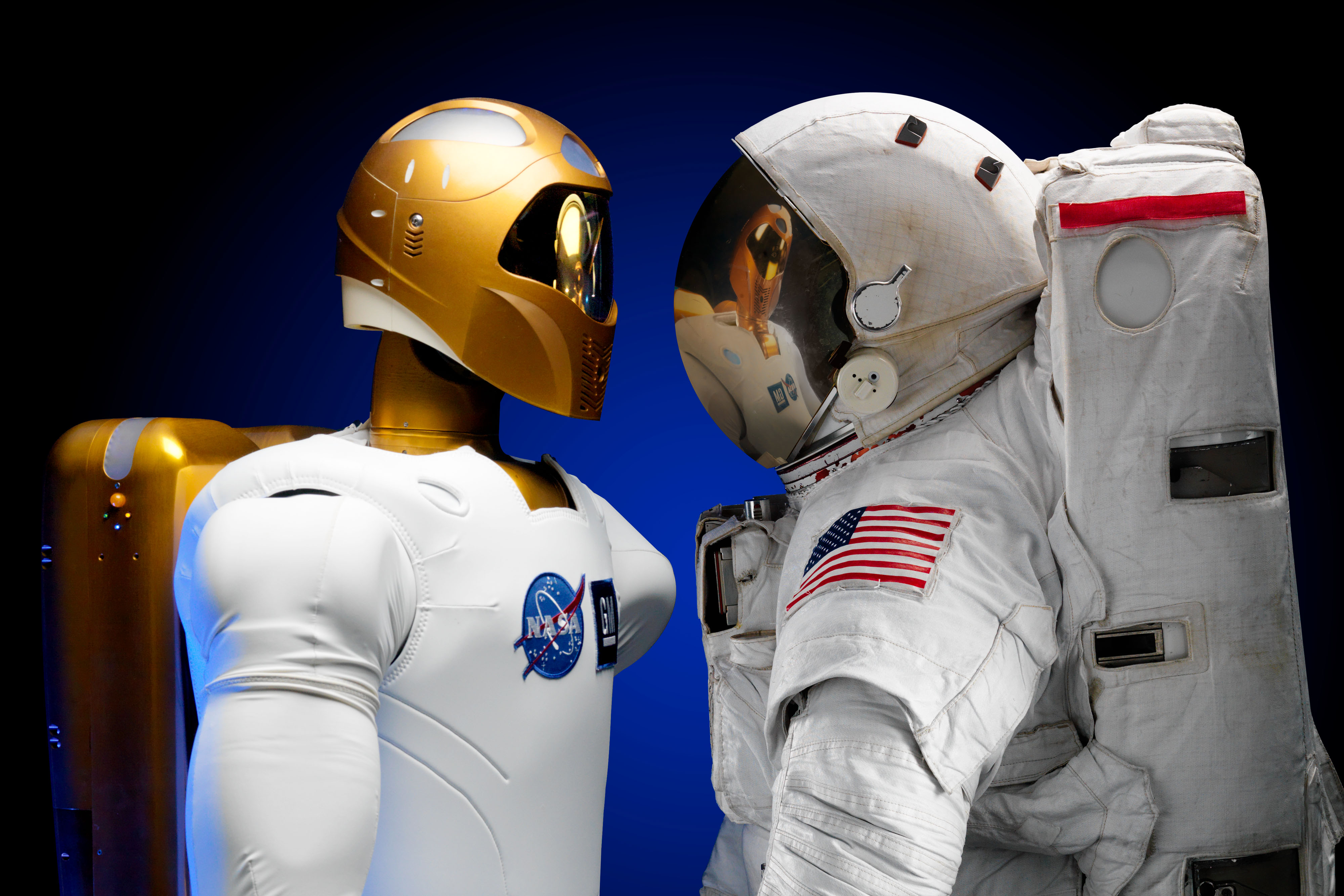
NASA Robonaut 2 humanoid robot.
ClassicSpace-station assistance

Robonaut 2 in space

Robonaut 2 - NASA - 2011

NASA's Robonaut 2 was developed to test how dexterous humanoid robots could assist astronauts with repetitive or hazardous work.

Why it matters

Space is expensive, dangerous and far away, so robot helpers can be valuable even before they are fully independent.

Try asking

  • Why might hands matter more than legs in space?
  • What jobs should astronauts keep for themselves?
Visit NASA
ClassicReception and interaction

Inkha the receptionist

Inkha - King's College London / Matthew Walker - 2000s

Inkha is a classic expressive robot receptionist that used gaze, head movement and character to interact with visitors.

Why it matters

It is a reminder that robot design is not only motors and code. Personality, timing and body language matter too.

Try asking

  • How can a robot show attention without a human face?
  • When is a robot receptionist helpful, and when is it annoying?
Visit Inkha
ClassicHotel reception and guest services

Henn na Hotel robot reception

Hotel service robots - Henn na Hotel - 2015 onwards

Henn na Hotel became famous for using robots in hospitality, making it a good starting point for discussing what works well and what does not.

Why it matters

Customer-service robots need reliability, clear limits and a good hand-off to people when the conversation gets complicated.

Try asking

  • What should a robot do when it does not understand a guest?
  • Would a robot make a hotel feel more friendly or less friendly?
Visit Henn na Hotel
ClassicDisaster response and Mars preparation

Valkyrie prepares for dangerous places

Valkyrie / R5 - NASA - 2016

NASA's Valkyrie humanoid was designed for difficult environments, including disaster response research and future space exploration ideas.

Why it matters

It is a strong example of designing robots for places that are risky, remote or built for human tools.

Try asking

  • Why would a Mars robot need to use human tools?
  • What makes disaster-response robots harder than factory robots?
Visit WIRED
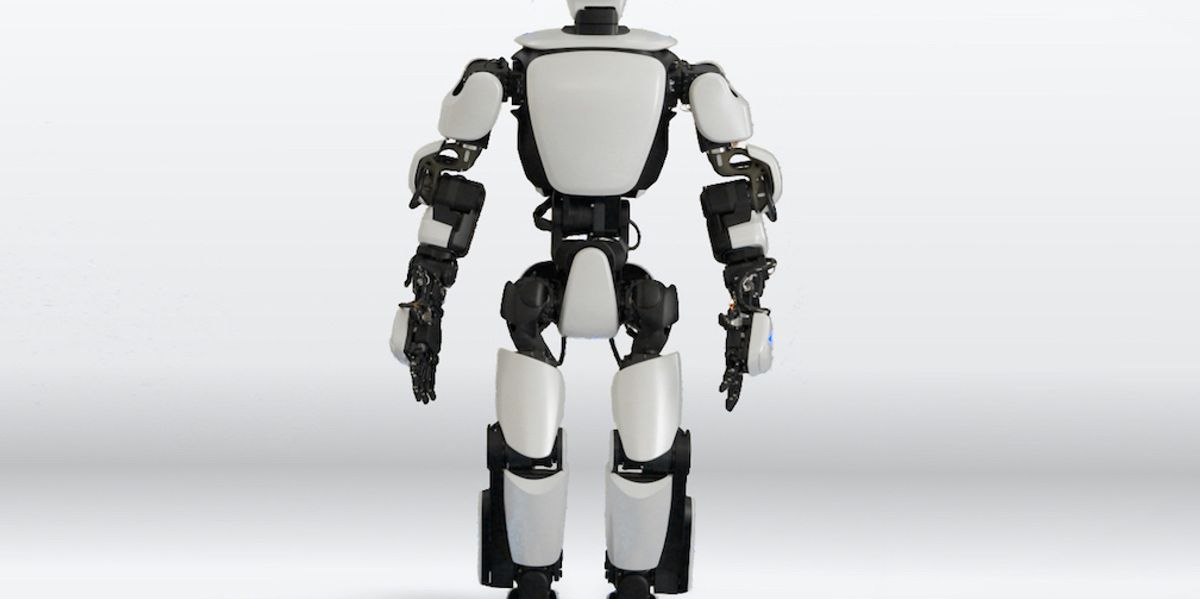
Toyota THR3 remote helper humanoid robot.
ClassicRemote assistance and mobility research

THR3 remote helper robot

THR3 - Toyota - 2017

Toyota's THR3 research robot explored whole-body remote control, where a person can guide a humanoid robot from a distance.

Why it matters

Teleoperation is an important bridge between a remote human expert and a future autonomous robot.

Try asking

  • What jobs are better with a human controlling the robot?
  • How could a delay in the connection make remote control difficult?
Visit IEEE Spectrum
Ohbot